AI in the Supply Chain, EU Cloud Restrictions, and the New Finance-Foreign Policy Nexus
Automated digest: compiled from the last 24 hours of AI, software/testing, tech, and finance news coverage on May 07, 2026.
May 7 brings a cluster of stories that share a common thread: the boundaries of trust—in software, in cloud infrastructure, in financial instruments, and in geopolitical alliances—are being redrawn in real time. AI is now a supply chain participant, not just a developer tool. The EU is treating U.S. cloud access as a sovereign risk. And the Trump administration is deploying finance as a foreign policy weapon. For builders, operators, and investors, the operational implications are immediate.
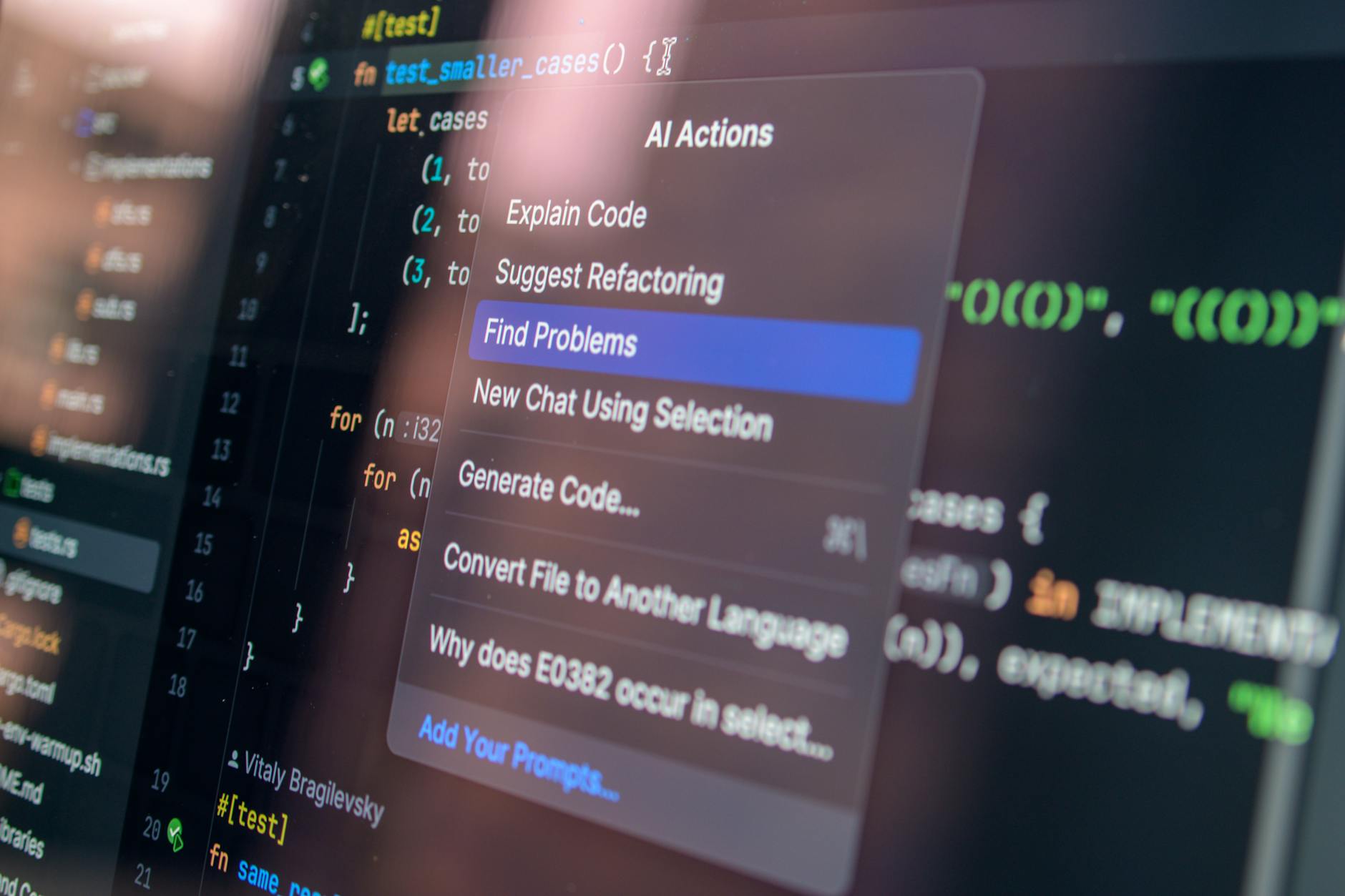
1. 🔗 AI-Generated Code Is Now a Supply Chain Actor—And Most Teams Aren't Treating It That Way
Summary: When AI writes production code, it introduces a new, largely unvetted participant into the software supply chain with its own provenance, dependency, and vulnerability profile.
Why it matters: Engineering and security teams built their supply chain controls around human-authored and third-party package risks; AI-generated code bypasses those mental models entirely. Without explicit policy for auditing, attributing, and tracking AI-written code, organizations are accumulating hidden exposure at scale.
Source: cio.com
Key takeaway: AI code generation must be governed as a supply chain input—not a productivity shortcut—requiring the same SBOM, provenance, and vulnerability tracking applied to any third-party dependency.
2. 🇪🇺 The EU's Reported Move to Restrict U.S. Cloud for Government Data Is a Sovereignty Ultimatum
Summary: The EU is reportedly weighing restrictions on using U.S. cloud platforms to process sensitive government data, according to sources cited by CNBC, signaling a potential structural shift in how European public sector workloads are hosted.
Why it matters: If enacted, such restrictions would force a re-architecture of government and adjacent private-sector workloads across the EU, directly threatening the market position of AWS, Azure, and Google Cloud in European public sector contracts. It also sets a precedent other jurisdictions are watching closely.
Source: CNBC
Key takeaway: Cloud vendors and enterprise customers with EU public sector exposure should treat this as an operational planning trigger, not a policy rumor—data residency and sovereignty requirements are hardening into procurement blockers.
3. 💰 Trump's Foreign Policy Now Has a Finance Arm—What That Means for Market Assumptions
Summary: The Economist reports that the Trump administration is building out a muscular financial component to its foreign policy apparatus, using capital flows and financial instruments as active instruments of geopolitical leverage.
Why it matters: When foreign policy and financial markets are explicitly coupled, risk models that treat them as separate variables become unreliable; companies with cross-border exposure, sovereign debt holdings, or dollar-denominated contracts in targeted regions face compounding uncertainty.
Source: The Economist
Key takeaway: Investors and multinationals should factor explicit U.S. financial statecraft into their geopolitical risk models, as the line between sanctions-era tools and standard foreign policy is now structurally blurred.
4. 🛡️ Government Cybersecurity Is Being Rebuilt Under Budget Pressure—The Constraints Are Becoming the Strategy
Summary: Federal and state agencies are rearchitecting their cybersecurity postures not by adding resources but by consolidating, prioritizing, and operationalizing within tighter budget envelopes.
Why it matters: The government market is a leading indicator for enterprise security strategy: when resource-constrained public agencies formalize 'do more with less' frameworks, those patterns migrate into procurement criteria and compliance expectations that private sector vendors and buyers eventually inherit.
Source: SECURITY.COM
Key takeaway: Security vendors positioning for government contracts—and enterprises benchmarking against public sector frameworks—should expect consolidation and efficiency metrics to displace feature breadth as the dominant evaluation criterion.
5. 📊 CME's New US Dollar RepoFunds Rate Adds a Benchmark Layer to Short-Term Funding Markets
Summary: CME Group has launched the US Dollar RepoFunds Rate, a new benchmark rate targeting the short-term secured funding market.
Why it matters: New benchmark rates in repo markets affect collateral management, overnight funding costs, and derivative pricing for a wide range of institutional participants; a CME-backed rate carries index and clearing integration implications that competing benchmarks may lack.
Source: Securities Finance Times
Key takeaway: Treasurers and fixed-income desks should evaluate whether the CME US Dollar RepoFunds Rate warrants inclusion in their benchmark monitoring stack, particularly given CME's clearing infrastructure advantages in driving adoption.
Final Takeaway
The day's clearest signal is that technical and geopolitical risk have merged: AI-generated code creates unvetted supply chain exposure, the EU is preparing to treat U.S. cloud platforms as a national security liability, and U.S. foreign policy is now backed by financial instruments that reshape market assumptions. The single most important insight: organizations that haven't audited their AI-generated code provenance, their cloud data residency, or their exposure to U.S. foreign financial policy are operating with unpriced risk.
Keep Reading
If you want a sharper read on which platform and product shifts actually deserve your attention, tomorrow’s digest is built for that.
Try Software Insight
Why this fits today’s digest: Track delivery risk, engineering quality, and execution gaps so product and platform decisions are based on signals instead of noise.
Sources
Enjoyed this article?
Join 12,000+ others and get our best productivity tips and early access to new tools.
Read Next

The 47-Extension Problem: What Extension Manager Fixes That Chrome Settings Never Will
You have 47 Chrome extensions installed and you need one of them right now. Extension Manager puts a one-click toggle and group switcher on top of the mess Chrome never fixed.

Why AI's Security and Finance Fault Lines Matter Now
The day's key signals show AI security gaps, platform competition, and financial risk converging. Builders and investors must act on the operational implications, not the headlines.