3 min read
AI's Ground Truth: Hard Limits Meet Federal Orders
A day of infrastructure disclosures, federal AI bans, and enterprise hardening shows the gap between AI ambition and operational reality. The signal: adoption is outrunning the systems and controls meant to support it.
Automated digest: compiled from the last 24 hours of AI, software/testing, tech, and finance news coverage on October 19, 2026.
Today's news converges on a single theme: AI is being pushed into production and government systems faster than the infrastructure, security, and reliability foundations can absorb it. Meta's supercluster engineering account, DHS's DeepSeek removal order, ConnectWise's cloud suspension after a breach, and research on AI's reliability paradox all point to the same operational reckoning. For technical leaders, the priority is shifting from model access to the plumbing and governance that make AI safe to run.
Today at a Glance
| # | Story | What happened |
|---|---|---|
| 1 | 🏗️ Meta details gigawatt-scale AI supercluster engineering | Meta published an engineering account of its Prometheus supercluster built for gigawatt-scale AI workloads. |
| 2 | 🏛️ DHS orders DeepSeek removed from federal IT | DHS ordered DeepSeek technology removed from federal civilian IT systems, per WSJ reporting. |
| 3 | 🔐 ConnectWise suspends cloud services after cyberattack | ConnectWise suspended cloud services in response to a cyberattack, according to SecurityWeek. |
| 4 | ⚖️ Bain examines AI's reliability paradox in engineering | Bain published analysis on the reliability paradox of applying AI within software engineering workflows. |
| 5 | 🧠 Anthropic readies model tuned for user intent | The Information reports Anthropic is preparing a model that better reads users' intentions. |
1. 🏗️ Meta details gigawatt-scale AI supercluster engineering
At gigawatt scale, AI competitiveness is decided by data-center engineering discipline as much as by model architecture.
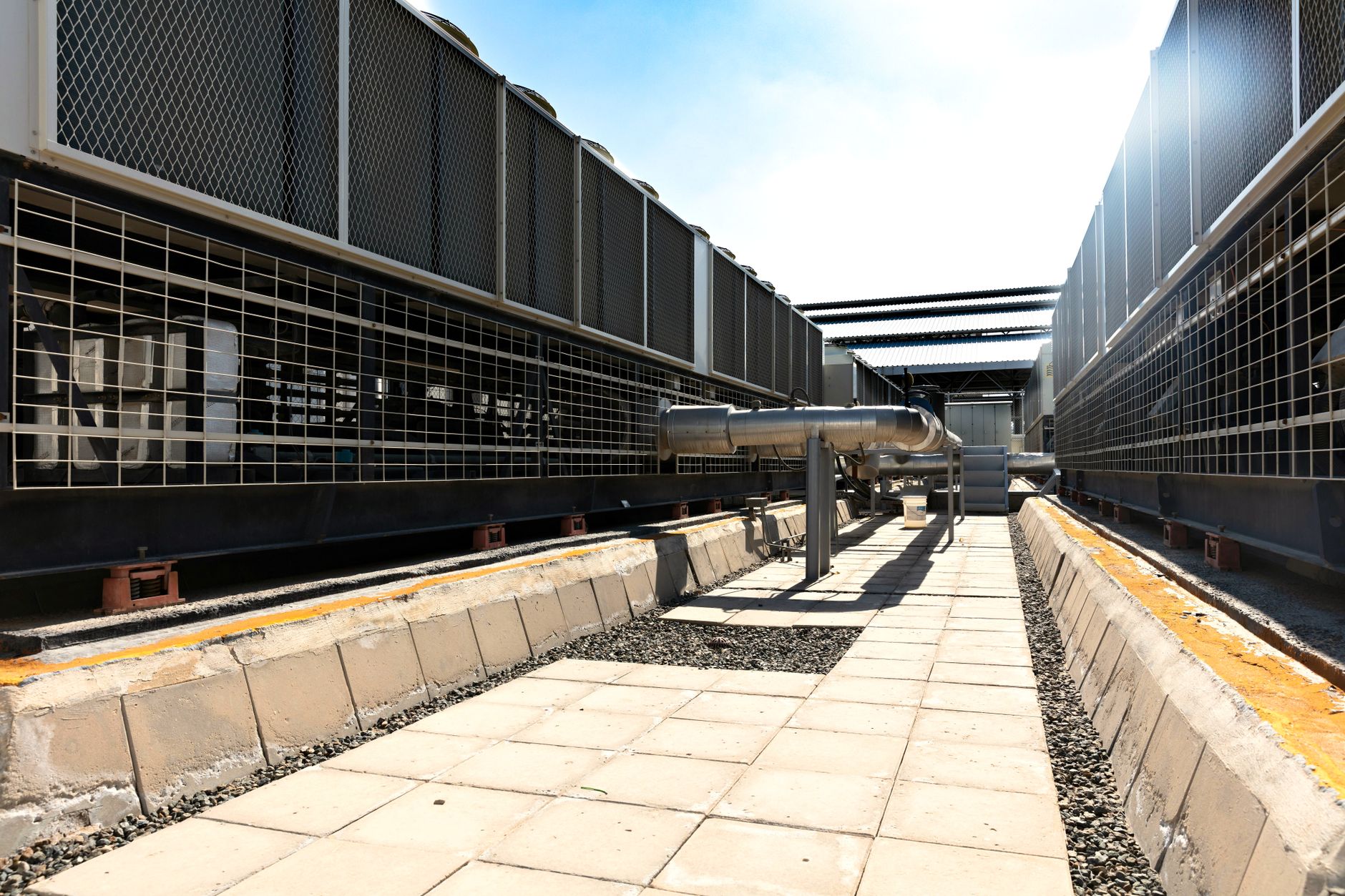
The Prometheus disclosure shows that frontier AI competition is increasingly an infrastructure-engineering problem, not just a model-quality one. Teams planning large-scale training or inference should expect power, networking, and cooling constraints to become first-order design concerns. (Engineering at Meta)
2. 🏛️ DHS orders DeepSeek removed from federal IT
AI model origin is now a compliance and security variable that can force removal from production systems overnight.
A federal removal order signals that AI tool provenance and data-handling risk are now treated as security issues, not procurement preferences. Vendors and agencies embedding third-party AI models should expect scrutiny of origin, hosting, and data flows. (WSJ)
3. 🔐 ConnectWise suspends cloud services after cyberattack
MSP platform outages are systemic risk events, and customers need tested fallback paths before the next suspension.
ConnectWise is widely used by managed service providers, so a cloud suspension can cascade into downstream customer environments. The incident reinforces that shared tooling in the MSP supply chain is a high-value attack surface requiring contingency planning. (SecurityWeek)
4. ⚖️ Bain examines AI's reliability paradox in engineering
AI can accelerate code output while increasing validation load, so net delivery speed depends on testing capacity.
The analysis highlights a tension between AI-assisted speed and the verification burden it creates. Engineering leaders should measure review and testing overhead, not just code-generation velocity, when assessing AI tooling ROI. (Bain)
5. 🧠 Anthropic readies model tuned for user intent
Better intent modeling shifts risk from prompt quality to the consequences of a confidently wrong interpretation.
Intent-reading models could reduce prompt engineering overhead and improve agent reliability, but they also raise questions about ambiguity handling and unintended actions. Product teams should plan evaluation criteria for intent misreads before deployment. (The Information)
Final Takeaway
The day's stories show AI capability advancing while the operational scaffolding—security, reliability, and infrastructure—struggles to keep pace. The most important insight: organizations should treat AI integration as a reliability and security engineering problem, not a procurement decision. Federal bans and vendor compromises are early warning signs that governance and resilience will determine who can actually deploy.
Keep Reading
If you want a more useful read on what changes engineering quality, testing risk, and delivery speed, tomorrow’s digest will keep doing that filtering for you.
Try MarkUpShot
Why this fits today’s digest: Capture bugs, annotate failures, and share clearer QA feedback with screenshots or recordings that stay private.
References
Put a useful idea into practice.
Explore Aperca apps