4 min read
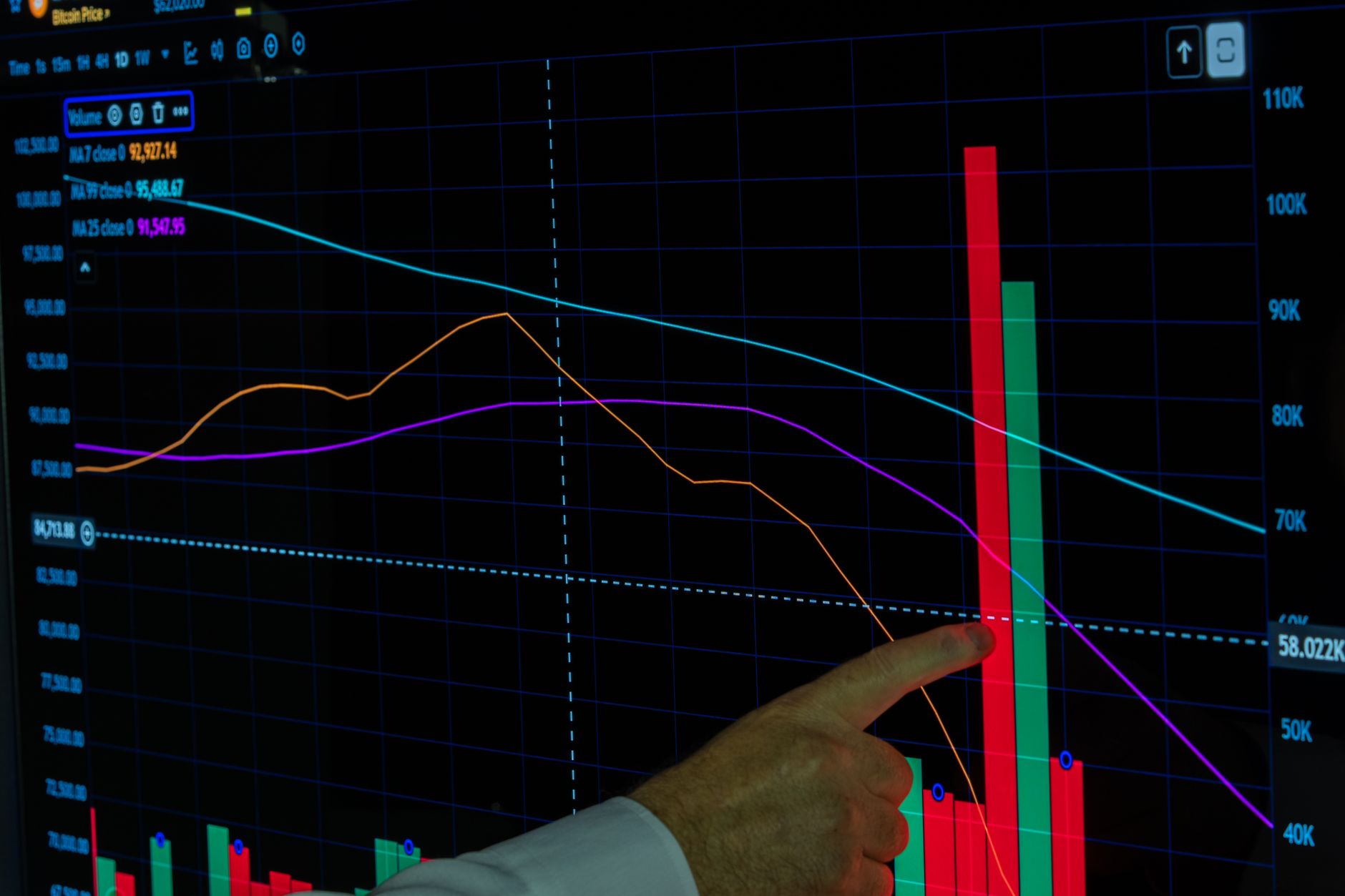
The AI Trade Cracks: What Anthropic's Slide Reveals
Anthropic's post-IPO stumble is dragging down the broader AI trade, while security and compliance teams face mounting pressure from cyber incidents and FedRAMP changes. The common thread is operational readiness in a market that is no longer rewarding hype alone.
Automated digest: compiled from the last 24 hours of AI, software/testing, tech, and finance news coverage on November 20, 2026.
Today's stories converge on a single theme: the gap between expectations and operational reality. Anthropic's reversal is the headline, but the deeper signal is that markets are repricing risk across AI and tech. Meanwhile, security teams are dealing with record ransomware and leadership churn, and compliance requirements are shifting for hundreds of cloud services. For builders and operators, the message is clear: execution and resilience matter more than narrative.
Today at a Glance
| # | Story | What happened |
|---|---|---|
| 1 | 📉 Anthropic's post-debut stumble delivers reality check | Anthropic shares fell sharply after its IPO, signaling growing investor skepticism about the AI trade. |
| 2 | 📉 S&P 500 set for longest losing streak since 2020 | The S&P 500 is on track for its longest losing run since 2020 as the AI-led selloff deepens. |
| 3 | 🔒 Ransomware hits record victims in Q3 | Check Point Software reports that ransomware attacks reached a record number of victims in Q3. |
| 4 | ☁️ FedRAMP overhaul forces rethinking of flaw ranking | Over 550 FedRAMP cloud services must rethink how they rank security flaws under new guidelines. |
| 5 | 🧪 What developers and QA need from each other when AI writes… | As AI generates more code, developers and QA teams must redefine collaboration to maintain quality. |
1. 📉 Anthropic's post-debut stumble delivers reality check
The AI trade is no longer a free pass—public-market investors are now pricing in execution risk, even for leading model developers.
The reversal near Anthropic's IPO price shows that public markets are applying stricter scrutiny to AI valuations. For founders and operators, it means that revenue, margins, and execution will matter more than narrative. It also sets a tougher benchmark for other AI companies planning to go public. (Reuters)
2. 📉 S&P 500 set for longest losing streak since 2020
The market's risk appetite is contracting, and the AI trade's unraveling is now a macro-level headwind for tech budgets and valuations.
This broad-based decline signals that the AI-driven rally is unwinding, affecting not just tech but the wider market. For technical leaders, it means tighter capital conditions and more scrutiny on spending, especially for long-horizon projects. Investors should expect continued volatility as the market reassesses growth prospects. (Bloomberg.com)
3. 🔒 Ransomware hits record victims in Q3
Ransomware is now a high-volume business risk, and organizations that treat it as a low-probability event are increasingly exposed.
The surge in ransomware attacks underscores the growing operational threat to businesses, with more victims than ever. For security teams, it means that backup, patching, and incident response must be prioritized and tested. The record volume also suggests that attackers are scaling their operations, potentially using automation and AI. (Cyber Magazine)
4. ☁️ FedRAMP overhaul forces rethinking of flaw ranking
FedRAMP's new approach to flaw ranking will propagate through the cloud ecosystem, making vulnerability prioritization a board-level compliance issue.
The change affects a wide swath of cloud providers serving the U.S. government, forcing them to reassess vulnerability management. For operators, it means compliance teams must update their risk scoring models and documentation. The shift could also influence private-sector cloud security practices as vendors align with federal standards. (MarketScale)
5. 🧪 What developers and QA need from each other when AI writes code
AI code generation raises the stakes for QA, and teams that don't adapt their collaboration model will ship more defects.
AI-assisted coding is shifting the balance of responsibilities between developers and QA, requiring new workflows and communication norms. For engineering leaders, it means investing in test automation and clear ownership of quality. The article highlights that AI-generated code doesn't eliminate the need for rigorous testing—it increases it. (CIO)
Final Takeaway
The AI trade's first big test is here. Anthropic's slide shows that even the most anticipated AI companies are not immune to market skepticism, and the downturn is spreading across tech. The most important insight is that operational discipline—in security, compliance, and engineering—is becoming the real differentiator as the market separates hype from durable execution.
Keep Reading
If you want a practical read on where AI is actually changing workflows, platforms, and decision-making, tomorrow’s digest will keep separating signal from hype.
Try AI Notepad
Why this fits today’s digest: Capture research, summarize sources, and turn messy notes into structured output without jumping between tools.
References
Put a useful idea into practice.
Explore Aperca apps