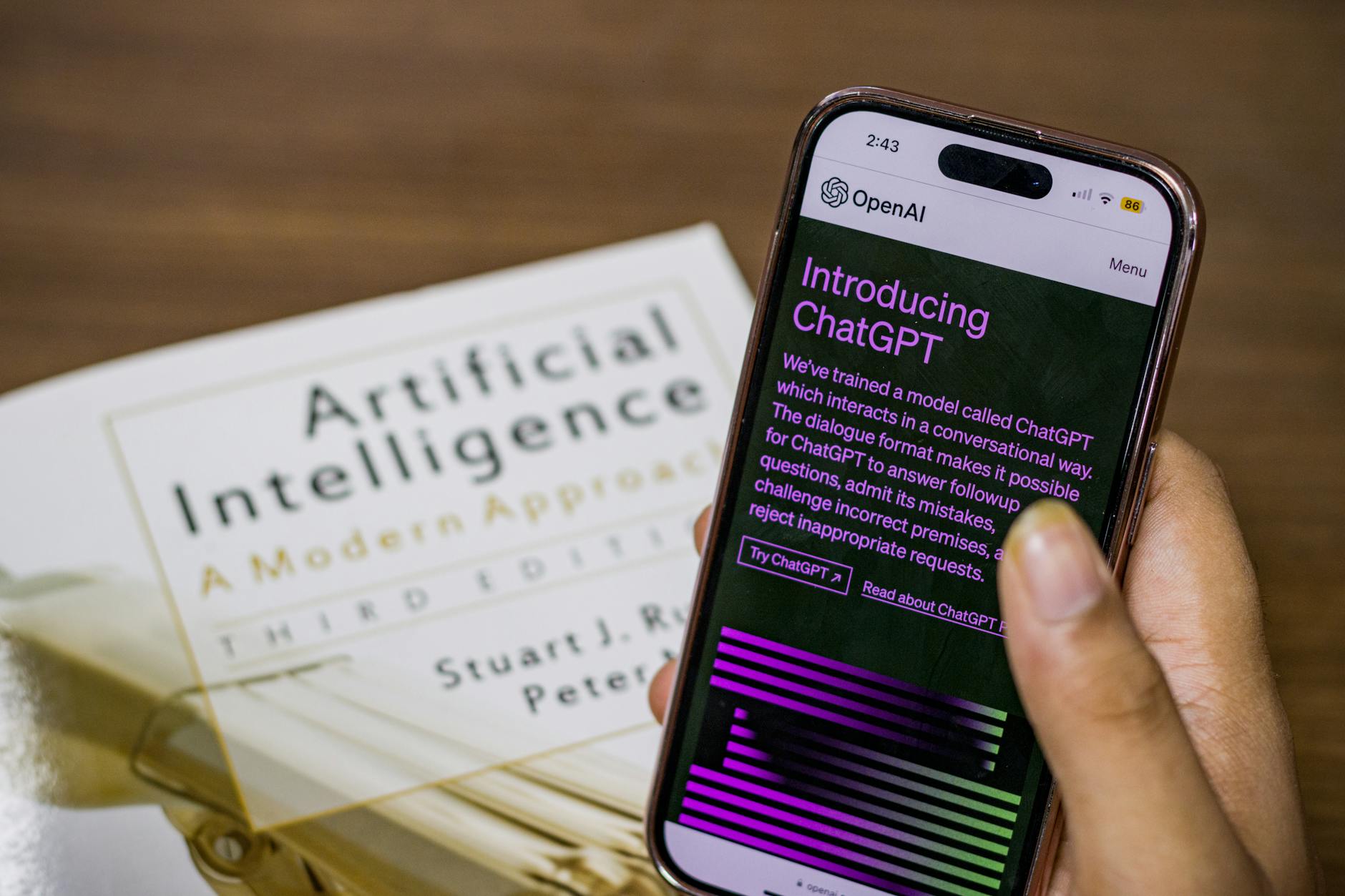
The Real Signal Behind OpenAI Trial Secrets, Cerebras IPO, and GitLab's Platform Play
Automated digest: compiled from the last 24 hours of AI, software/testing, tech, and finance news coverage on May 18, 2026.
For technical leaders, today's news underscores a shift from building to trust: the OpenAI trial exposes the messy reality behind AI safety claims, Cerebras' blockbuster IPO signals strong market appetite for alternative AI hardware, and GitLab reminds us transparency is still a competitive moat. Meanwhile, cybersecurity pushes deeper into operational tech and developer environments, while quantum software research inches toward real hardware validation.
1. 🤖 OpenAI-Musk Trial Leaks Reveal Internal Turmoil Over Safety and Profit
Summary: Secret memos and texts from the OpenAI-Musk trial show deep internal conflicts about balancing safety promises with commercial pressures.
Why it matters: For technical decision-makers, this is a rare window into how even the most influential AI lab navigates (or fails to navigate) the tension between responsible AI and revenue—a dynamic any company building on AI must now openly address.
Source: WSJ
Key takeaway: The trial reveals that governance gaps in AI companies are not hypothetical; engineering leaders should prepare for increased scrutiny on safety claims and licensing transparency.
2. 💰 Cerebras' IPO: What 'Three Consistent Words' Tell Us About AI Hardware Demand
Summary: Cerebras' blockbuster IPO was fueled by relentless focus on a simple, consistent message amid exploding enterprise demand for alternative AI compute.
Why it matters: It signals that the market sees value beyond NVIDIA—validating that specialized AI silicon can go public successfully and offering a blueprint for other challengers.
Source: Forbes
Key takeaway: Cerebras proves that disciplined narrative consistency combined with real performance data can unlock massive public market capital for non-incumbent AI infrastructure.
3. 🔧 GitLab Act 2: Why Transparency Is Still a Winning Strategy
Summary: GitLab continues to bet on an open-core model, emphasizing how public roadmaps and transparent development cycles create trust that proprietary rivals cannot match.
Why it matters: As platform complexity grows and supply chain threats mount, GitLab's approach offers a counterpoint to closed ecosystems—a choice every engineering org will face.
Source: DevOps.com
Key takeaway: For DevOps leaders, GitLab's sustained transparency proves that open development practices directly improve security and community loyalty, even in a market dominated by cloud-native competitors.
4. 🔒 Why Developer Workstations Are Now Part of the Software Supply Chain
Summary: A new analysis argues that unsecured developer machines represent a critical attack surface in modern software supply chains, often overlooked in security audits.
Why it matters: If developer workstations are compromised, the entire pipeline is compromised, making workstation hardening a fundamental requirement for any team shipping production code.
Source: The Hacker News
Key takeaway: Treating developer workstations as full-fledged supply chain components means enforcing endpoint security, credential hygiene, and build integrity from the desktop up.
5. ⚛️ Clemson's $650K Quantum Software Initiative Bridges Theory and Hardware Reality
Summary: Clemson University launched a research initiative to improve quantum software performance on actual quantum hardware, moving beyond idealized simulations.
Why it matters: This signals a maturing of quantum computing from theoretical promise to engineering practice—software developers will need to understand real device constraints sooner than many expect.
Source: The Quantum Insider
Key takeaway: Real-world quantum hardware validation is becoming a priority, meaning teams should start evaluating quantum SDKs and simulators against actual device error rates, not just hypothetical benchmarks.
Final Takeaway
The day's stories converge on one insight: the next phase of competitive advantage isn't just technology—it's governance, transparency, and security across the entire stack. Whether it's AI licensing disputes, developer workstation security, or mission-critical OT protection, the winners will be those who treat trust as an engineering problem, not a marketing tagline.
Keep Reading
If you want a practical read on where AI is actually changing workflows, platforms, and decision-making, tomorrow’s digest will keep separating signal from hype.
Try AI Notepad
Why this fits today’s digest: Capture research, summarize sources, and turn messy notes into structured output without jumping between tools.
Sources
Read Next

The 47-Extension Problem: What Extension Manager Fixes That Chrome Settings Never Will
You have 47 Chrome extensions installed and you need one of them right now. Extension Manager puts a one-click toggle and group switcher on top of the mess Chrome never fixed.

Why AI's Security and Finance Fault Lines Matter Now
The day's key signals show AI security gaps, platform competition, and financial risk converging. Builders and investors must act on the operational implications, not the headlines.